2025-12-26 10:32:12
When evaluating freeze dryer vs dehydrator, therefore, OEMs and procurement teams must carefully balance product quality, throughput, and overall cost. In many product lines, food dehydrators deliver fast, cost-effective results; in others, freeze dryers preserve texture and nutrients better. Taken together, these factors mean that this guide explains both paths and, ultimately, helps you identify the best food dehydrator or best dehydrator for jerky for your production needs.
Freeze Dryer vs Dehydrator — Key Differences
Understanding the technical and commercial differences will steer your purchasing decision.
- Process and result: Freeze dryers remove water by sublimation after freezing; dehydrators remove moisture using heated airflow. Therefore, freeze drying better preserves shape, color, and nutrients, while dehydration is simpler and faster.
- Cost and throughput: Freeze dryers are capital- and energy-intensive. They typically have lower throughput per cycle and higher unit cost. Conversely, food dehydrators are lower in capex, cheaper to run, and scale more linearly.
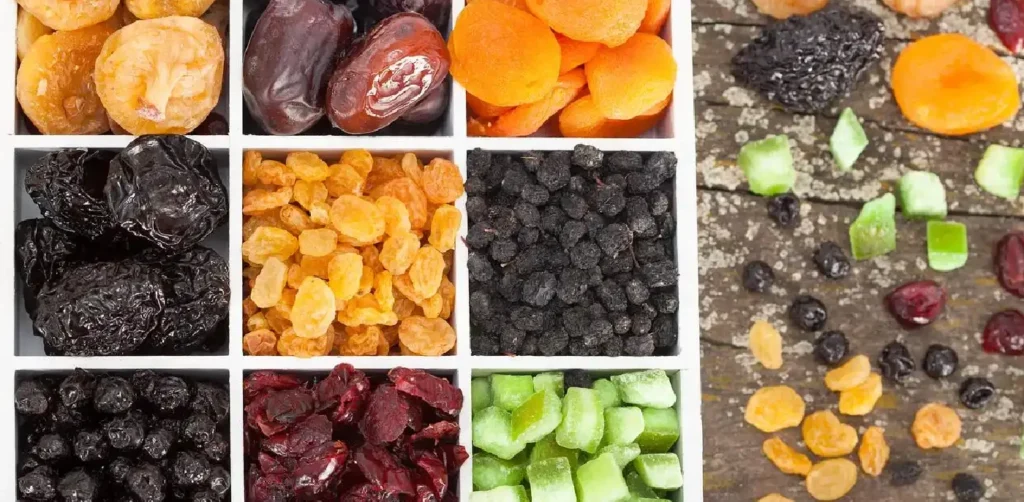
- Use cases: Choose freeze drying for delicate items (berries, pharmaceutical ingredients). Choose dehydrators for chips, herbs, and meat snacks where texture from airflow drying is acceptable or desired.
- Shelf life and texture: Freeze-dried products often command premium prices and longer shelf life. Dehydrated goods are widely accepted and economical.
For OEMs: assess your target retail price, shelf life needs, and whether the product positioning justifies the extra cost of freeze drying.
What to Look for in Food Dehydrators
When sourcing food dehydrators, focus on specifications that affect yield, safety, and consistency.
- Temperature range & accuracy — essential across product types. For many snacks and jerky, stable 40–70°C control is critical.
- Airflow design — horizontal or vertical airflow, forced convection, and fans affect drying uniformity. Select units with adjustable fan speeds.
- Tray design & capacity — removable, easy-to-clean trays with consistent spacing promote even drying. Mesh or perforated trays are preferred for jerky.
- Construction materials — stainless steel (SUS304) interiors, food-safe coatings, and insulated housings increase durability and hygiene.
- Control system — digital timers, PID temperature controllers, and data logging for QA are strong advantages for OEMs.
- Energy efficiency — compare watts per kg dried to estimate operating cost. Over time, this outweighs small differences in purchase price.
- Certifications — CE, ETL, UL, RoHS, and relevant food-contact approvals depending on target markets. Ensure certifications are specified in the contract.
- Maintenance & spare parts — define spare-part lists and lead times in the purchase agreement to minimize downtime.

Choosing the Best Food Dehydrator — Features That Matter
To pick the best food dehydrator for your line, prioritize features that reduce variability and increase throughput.
- Repeatability — consistent cycles with minimal deviation. Digital PID controllers with logging help maintain repeatable runs.
- Modularity — stackable or modular units let you scale production without expensive custom lines.
- Cleanability — quick-disconnect trays and smooth interior surfaces reduce downtime between batches.
- Control sophistication — programable stages (ramp-up, hold, cool-down) improve product quality for mixed SKUs.
- Noise and workplace safety — adequate insulation and low-noise fans improve operator conditions.
- Total cost of ownership — use lifecycle costing to compare capex, energy, maintenance, and expected yield.
By balancing throughput and control, you’ll find models that qualify as the best food dehydrator for your SKU mix.
Selecting the Best Dehydrator for Jerky
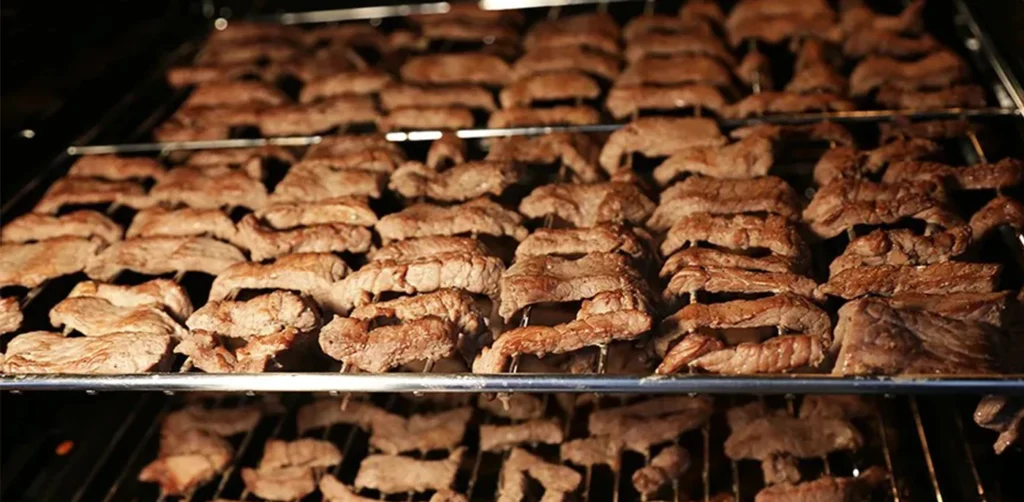
Jerky production has unique demands. The best dehydrator for jerky combines precise temperature control with optimal airflow and food-safe materials.
Procurement & OEM/ODM Considerations
For OEMs and ODMs, procurement is about more than price. It’s a combination of contract clarity, verification, and risk mitigation.
- Define technical specs clearly — include temperature range, tray sizes, power consumption, noise levels, and tolerance bands.
- Samples and validation — require pre-production samples and a small pilot run with product-specific testing. Validate with third-party labs if necessary.
- Certs and documentation — ensure the supplier provides test reports, material certificates, and compliance documents before shipment.
- MOQ and lead times — negotiate favorable MOQ tiers and production ramp-up timelines. Consider stocking critical spare parts locally.
- Warranties and service — include clear warranty terms, response times for repairs, and training for local technicians.
- Packaging and logistics — protective packaging for machines, clarity on palletization, and customs paperwork reduce damage and delays.
Tips: always include acceptance tests (FAT/SAT) clauses and sample retention policies in the purchase order. These protect both buyer and supplier.
Conclusion — Quick Decision Checklist
To conclude, use this checklist to decide between freeze drying and dehydration, and to pick the best food dehydrator or best dehydrator for jerky:
- Product goal: premium preserved texture → freeze dryer; economical, high-volume snacks → dehydrator.
- Required shelf life and sensory profile: long shelf-life & delicate texture → freeze dry.
- Throughput & cost targets: dehydrators typically win on capex and operating cost.
- For jerky: prioritize temperature stability, airflow uniformity, and hygienic trays.
- Procurement: demand samples, certify materials, and require spare parts + training.