2025-12-26 11:40:26
OEM & ODM Buyer’s Guide: How to Choose the Right Food Dehydrator
For OEM and ODM buyers, selecting the right food dehydrator is not just about appearance or unit price. A reliable dehydrator machine must deliver stable performance, flexible customization, and long-term supply consistency.
In this guide, we explain how to evaluate a dehydrator food dehydrator from a manufacturer’s perspective, helping you identify the best dehydrator for your target market while reducing sourcing risks.

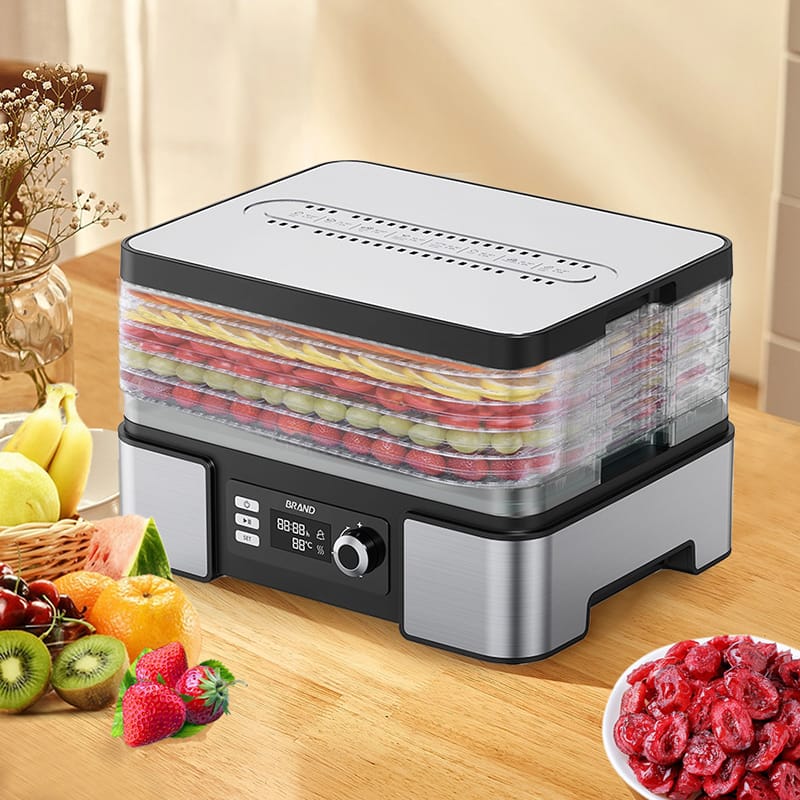
Market Positioning: Understanding Dehydrator Food Dehydrator Demand
Before confirming specifications, OEM/ODM buyers should clearly define market positioning.
Typical application segments include:
- Food processing factories
- Commercial kitchens and catering chains
- Health food and snack brands
- Retail and private-label appliance brands
Different markets require different configurations.
For example, industrial buyers focus on continuous operation and output capacity, while retail brands prioritize design, noise control, and energy efficiency.
Therefore, defining the end-user scenario early helps you avoid over-engineering or under-specifying your food dehydrator.
Key Technical Specifications of a Dehydrator Machine
When evaluating a dehydrator machine, the following technical points are critical:
- Temperature Range & Accuracy
Stable and precise temperature control directly affects drying consistency and product quality. - Airflow & Circulation Design
Horizontal or bottom airflow systems impact uniform dehydration and batch efficiency. - Power & Energy Consumption
Rated wattage should be reviewed together with real operating energy usage per cycle. - Materials & Tray Structure
Food-grade stainless steel trays, corrosion resistance, and easy cleaning are essential for long-term use. - Control System
Mechanical, digital, or smart control panels influence user experience and brand differentiation. - Safety & Certifications
CE, ETL, RoHS, and other certifications are mandatory for many export markets.
Tip: Request test reports, running videos, and temperature distribution data to evaluate real performance.
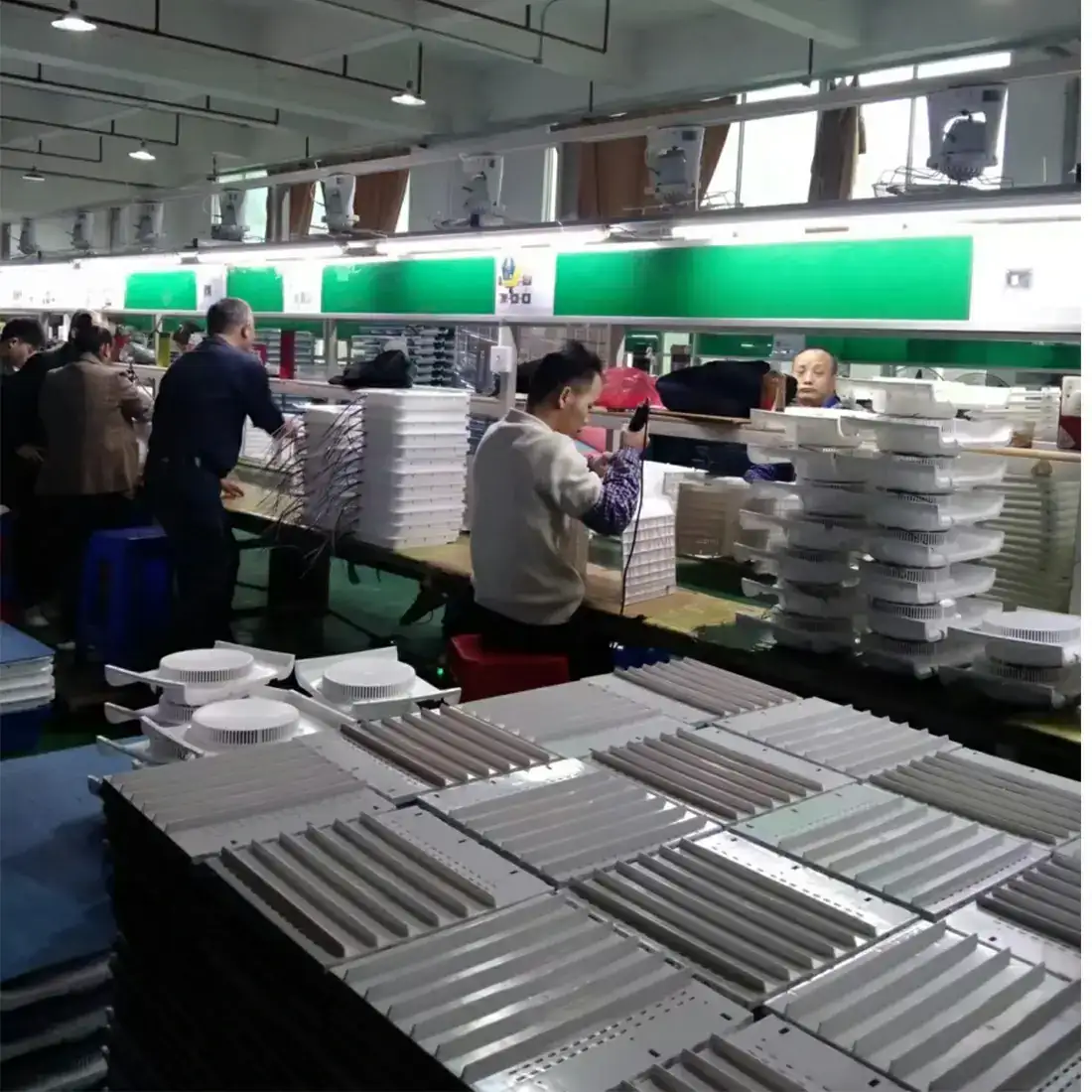
OEM/ODM Manufacturing and Customization Capabilities
A competitive dehydrator food dehydrator supplier should support full OEM and ODM cooperation.
Key evaluation points include:
- Monthly production capacity and lead time
- In-house tooling and R&D capability
- Customization options (housing design, tray size, plug type, branding, packaging)
- Quality control system (IQC, IPQC, aging test, final inspection)
- After-sales support and spare parts availability
As a result, OEM buyers should confirm that quality KPIs and defect rates are clearly defined in supply agreements.
Cost Strategy: How to Source the Product Efficiently
Price alone should never be the only decision factor.
A professional cost evaluation includes:
- Material and component cost breakdown
- Tooling and mold amortization
- Certification and compliance expenses
- Packaging, logistics, and export handling
Other key considerations:
- Minimum Order Quantity (MOQ) flexibility
- Sample cost and sample lead time
- Long-term price stability for repeat orders
While a low unit price may look attractive, the true cost of ownership includes returns, warranty claims, and brand reputation risk.
Choosing the product means balancing price, performance, and supplier reliability.
Before finalizing your food dehydrator supplier, confirm the following:
- Target market and application clearly defined
- Core technical specifications verified
- Sample testing and performance data approved
- Production capacity, MOQ, and lead time confirmed
- Certifications and after-sales terms documented
Next steps:
Request a detailed sample specification sheet, conduct a factory audit (online or onsite), and negotiate a framework agreement with tiered pricing.
This approach ensures stable supply, predictable cost, and a competitive best dehydrator solution for your brand.